Collecting · 12 September 2026 · 7 min read
How to Read an Old Postcard
A practical guide to dates, divided backs, publisher marks, stamps and the evidence left by use.

Journal / Volume one
Practical collecting guides and close readings of the visual culture carried by small paper objects.
Collecting · 12 September 2026 · 7 min read
A practical guide to dates, divided backs, publisher marks, stamps and the evidence left by use.

Railways · 5 September 2026 · 8 min read
How railway companies turned timetables, stations and speed into a persuasive visual language.
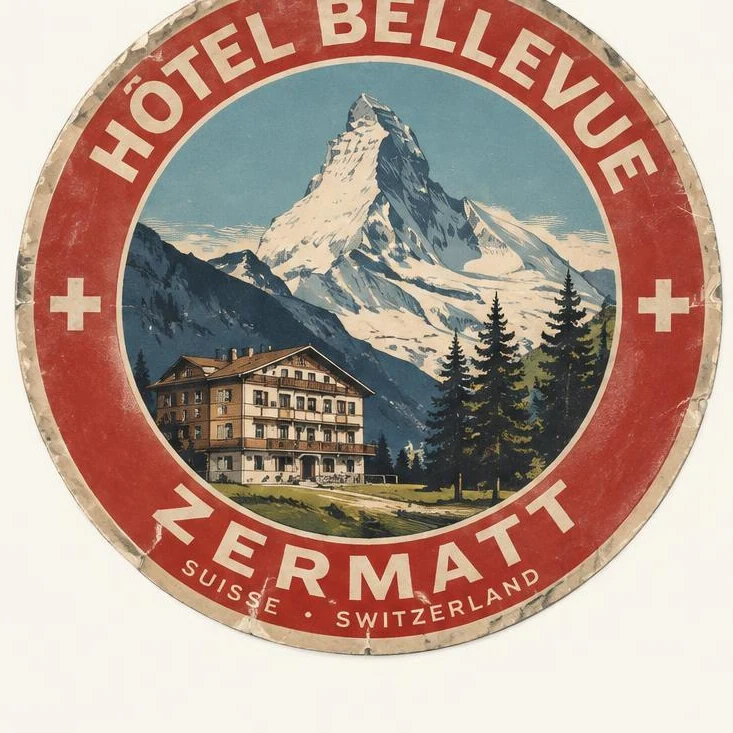
Hotels · 28 August 2026 · 6 min read
The small, brilliant graphics that transformed luggage into a record of modern travel.
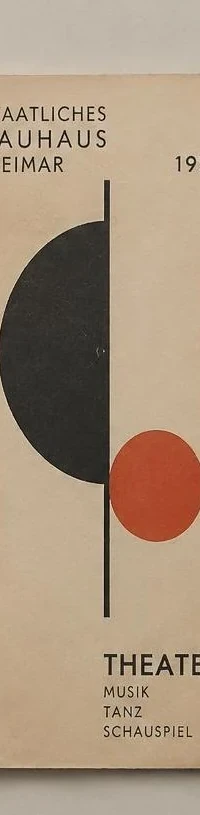
Collecting · 17 August 2026 · 9 min read
A transparent vocabulary for foxing, silvering, corner wear and other signs of a paper object’s life.
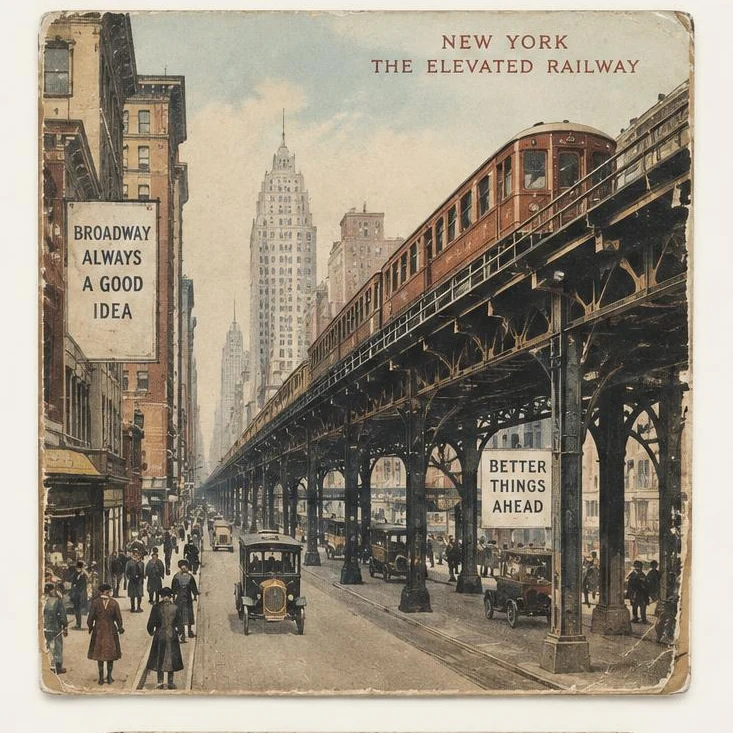
Cities · 9 August 2026 · 7 min read
Street views, tram lines and monuments carried urban identities around the world.
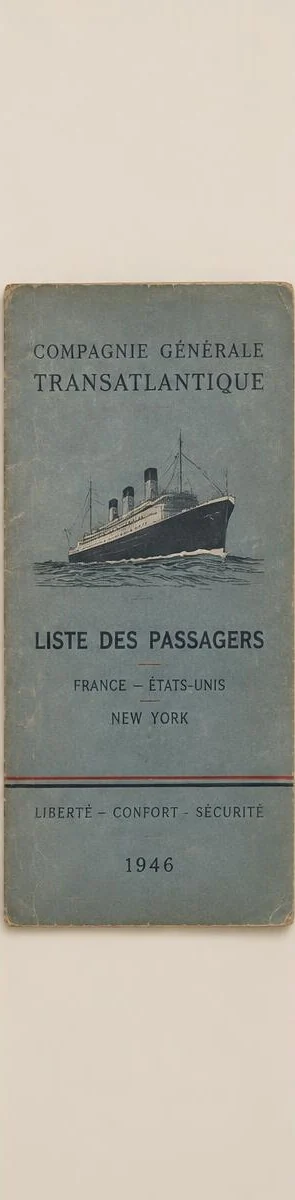
Maritime · 31 July 2026 · 8 min read
Menus, passenger lists and ship cards from an era when the voyage had its own visual identity.
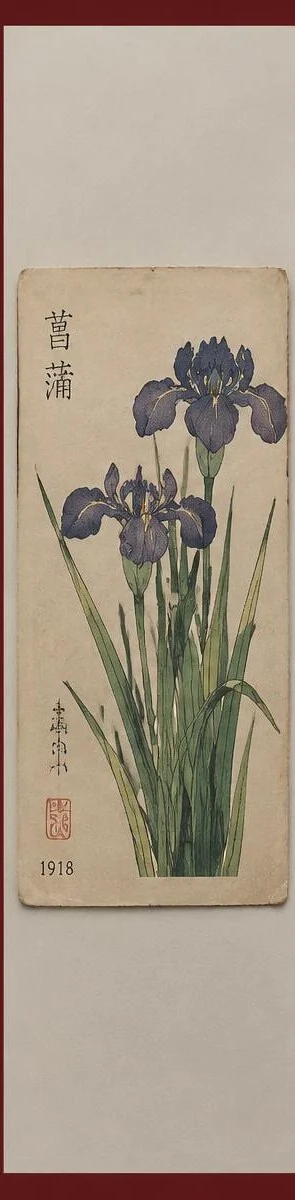
Botanical · 20 July 2026 · 6 min read
How portable flower studies balanced observation, symbolism and ornament.
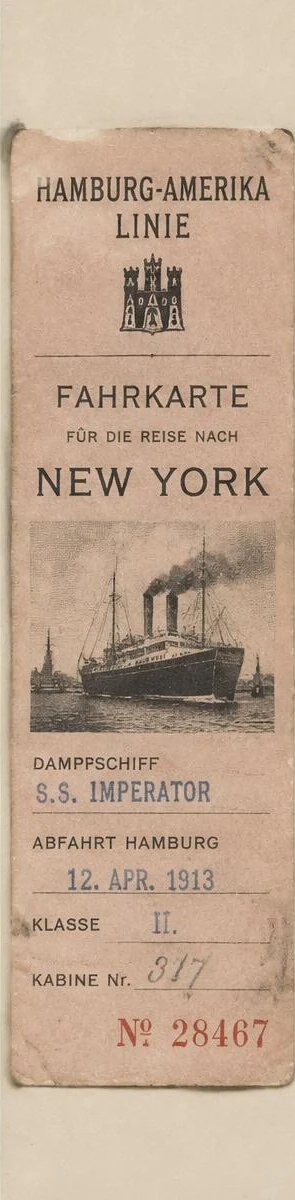
Collecting · 11 July 2026 · 10 min read
A considered starting point for choosing a subject, setting limits and recording what you learn.
Questions
How the archive catalogues, grades, packs and sends paper objects — and what we will never claim about them.
Vintage and antique paper ephemera: postcards, real photo cards, railway and hotel cards, ocean liner and travel cards, advertising cards, botanical plates, illustrated art cards, small lots and sets. Every object is catalogued individually with year range, place, category and condition.
Each object carries a condition grade written from direct inspection of the item in hand: corners, surface, creasing, postmarks and writing. Read the full grading scale on the condition guide before ordering — vintage paper is expected to show age.
The current catalogue uses reference imagery while the archive is being photographed. Owner-made scans of each individual object replace these images before any item is fulfilled, and we confirm the exact object with you by email before dispatch.
Add objects to your bag and submit an availability enquiry at checkout. Nothing is charged online. We reply with confirmation, final pricing, shipping cost and payment instructions for the objects that are still available.
Euro is the reference currency of the archive. At checkout you can switch the display to US dollars, pounds sterling or Polish złoty using indicative rates — the euro figure remains the binding one.
Objects travel in archival sleeves between rigid boards inside a board-backed envelope or small box. Shipping is arranged per order from Europe; cost and carrier are confirmed in the reply to your enquiry, with tracking on request.
Yes. If an object arrives damaged or does not match the condition described, contact us within 14 days of delivery and we will arrange a return and refund. Full details are in the refund policy.
Single objects can be held briefly while an enquiry is being settled. Because almost everything in the archive exists in one copy only, holds are short and confirmed in writing.
Only what can be supported. Where a publisher, series or date is printed on the object we record it; where it is not, the field stays open rather than being invented. Market references are used as research, never as proof of provenance.
Your bag, saved objects, currency choice and order enquiries are kept in your own browser, not on a server. Cookies are limited to what keeps the site working — see the cookie and privacy policies.